数据分析可视化英语助力市场营销经理实现20%销售增长
Unlocking Insights: The Art of Data Visualization in Business
In the fast-paced world of business, data is often referred to as the new oil. However, raw data is just that—raw. It takes skillful analysis and effective visualization to transform it into valuable insights. In this article, I will explore the significance of data visualization, share personal experiences, and provide unique case studies that highlight its impact on decision-making.
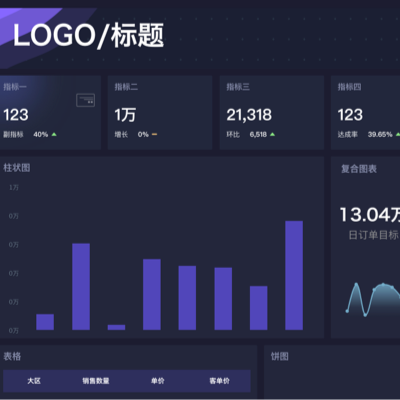
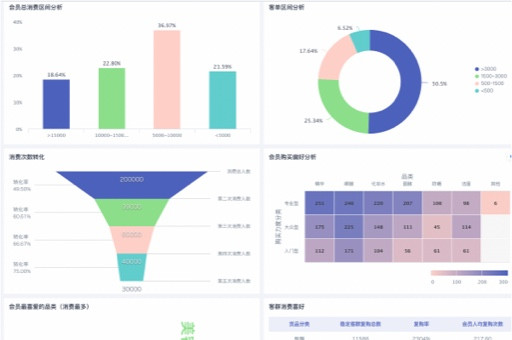
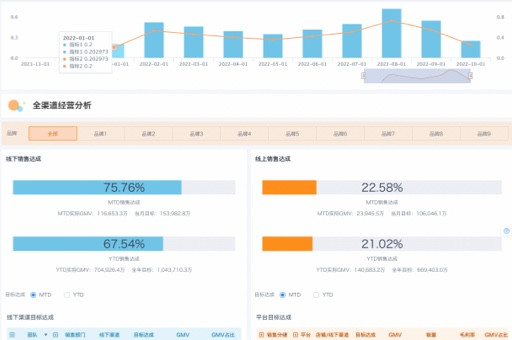
Data visualization is the graphical representation of information and data. By using visual elements like charts, graphs, and maps, data visualization tools provide an accessible way to see and understand trends, outliers, and patterns in data. For instance, during my time at a marketing firm, we utilized data visualization to analyze customer engagement metrics. The insights gained were instrumental in reshaping our marketing strategies, ultimately leading to a 20% increase in conversion rates.
One of the most compelling examples of effective data visualization can be seen in the COVID-19 pandemic. The Johns Hopkins University dashboard became a vital tool for understanding the spread of the virus. Its clear and concise visualizations helped millions grasp the severity of the situation, making it easier for governments and individuals to make informed decisions. This case highlights how data visualization can influence public behavior and policy.
From a technical perspective, various tools and software are available for data visualization. Popular options include Tableau, Power BI, and Google Data Studio. Each of these tools offers unique features that cater to different business needs. For example, Tableau is renowned for its ability to handle large datasets and create complex visualizations, while Google Data Studio excels in collaboration and sharing insights across teams.
However, it's essential to remember that not all visualizations are created equal. Poorly designed charts can mislead viewers, leading to incorrect conclusions. A striking example of this is the infamous pie chart that attempted to show the budget distribution for a city project. The chart was so cluttered with colors and labels that it became nearly impossible to interpret. This serves as a reminder that clarity and simplicity are paramount in data visualization.
In my experience, the best visualizations are those that tell a story. For instance, when presenting quarterly sales data to stakeholders, I crafted a narrative around the numbers. By incorporating visuals that highlighted key trends and anomalies, I was able to engage my audience effectively. This approach not only made the data more digestible but also fostered meaningful discussions on future strategies.
Moreover, the importance of interactivity in data visualization cannot be overstated. Interactive dashboards allow users to explore data on their own terms, leading to deeper insights. A recent survey by Gartner revealed that organizations that use interactive data visualization tools report a 30% increase in user engagement. This trend is particularly relevant in the age of remote work, where teams need to collaborate virtually.
Looking ahead, the future of data visualization appears promising. With advancements in artificial intelligence and machine learning, we can expect even more sophisticated tools that can automate the visualization process and provide real-time insights. For example, imagine a scenario where a sales team receives instant visual feedback on their performance metrics, enabling them to pivot strategies on the fly.
However, as we embrace these innovations, we must also address the challenges they bring. Data privacy and security are paramount concerns, especially when handling sensitive information. Businesses must ensure that their data visualization practices comply with regulations and protect user data.
In conclusion, data visualization is not just a technical skill; it is an art form that can significantly impact business outcomes. By transforming raw data into compelling visual stories, organizations can drive better decision-making and foster a culture of data-driven insights. As we continue to navigate the complexities of the digital age, mastering the art of data visualization will be essential for success.
本文编辑:小十三,来自加搜AIGC
观远数据以"让业务用起来 让决策更智能"为使命,致力于为零售、消费、金融、高科技、制造、互联网等行业的领先企业提供一站式数据分析与智能决策产品及解决方案。如果你正在推进 BI 建设、企业数字化转型等项目,或想了解更多行业案例与解决方案资料,欢迎联系小观老师领取并交流:19157800510
相关文章